Understanding Common Foot Problems and How a Podiatrist Can Help


Understanding Common Foot Problems
Our feet are the unsung heroes of our daily lives, carrying us from place to place. However, they often suffer from a variety of problems that can affect overall health and mobility. Understanding these common issues can help in seeking timely treatment and preventing further complications.
Foot pain can stem from numerous sources, including structural problems, injuries, and diseases. Some of the most common foot problems include bunions, plantar fasciitis, and heel spurs. These issues can cause significant pain and discomfort, impacting daily activities and overall well-being.
Bunions and Corns
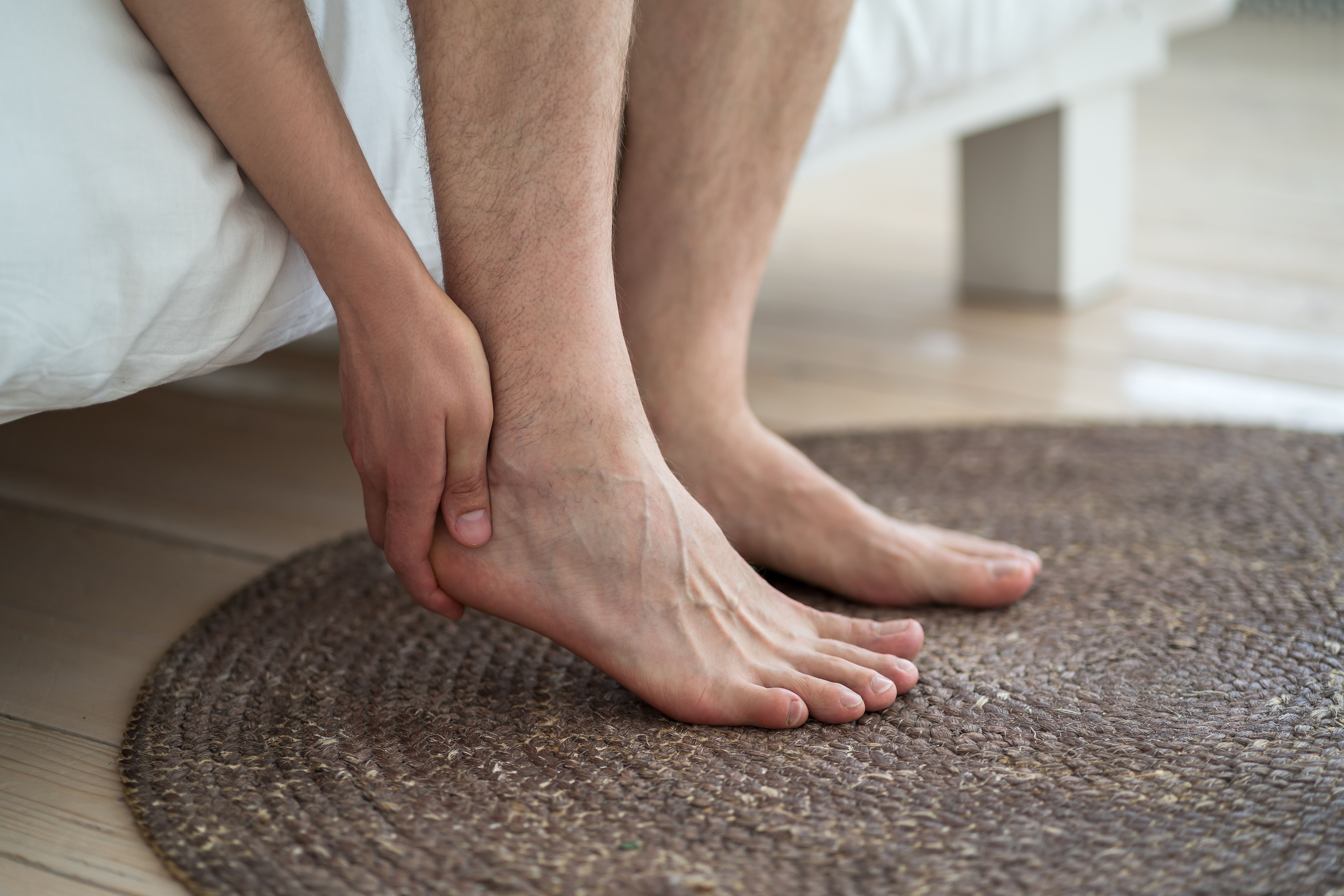
Bunions are bony bumps that form on the joint at the base of your big toe. They can lead to swelling, redness, and tenderness, making it difficult to wear shoes comfortably. Corns and calluses are thick, hardened layers of skin that develop as a response to friction or pressure.
These conditions are often exacerbated by wearing ill-fitting shoes, standing for extended periods, or having a genetic predisposition. Left untreated, they can lead to chronic pain and further deformities.

Plantar Fasciitis and Heel Spurs
Plantar fasciitis is an inflammation of the band of tissue running across the bottom of the foot. It is a common cause of heel pain, especially among runners and those who are overweight. Heel spurs, on the other hand, are calcium deposits causing a bony protrusion on the underside of the heel bone.
Both conditions can make walking painful and difficult, affecting one's quality of life. Early intervention with proper footwear and exercises can alleviate symptoms and prevent progression.
How a Podiatrist Can Help
Podiatrists are specialized healthcare professionals who diagnose and treat foot and ankle conditions. Seeking their expertise can provide relief and prevent complications from common foot problems.
Diagnosis and Treatment
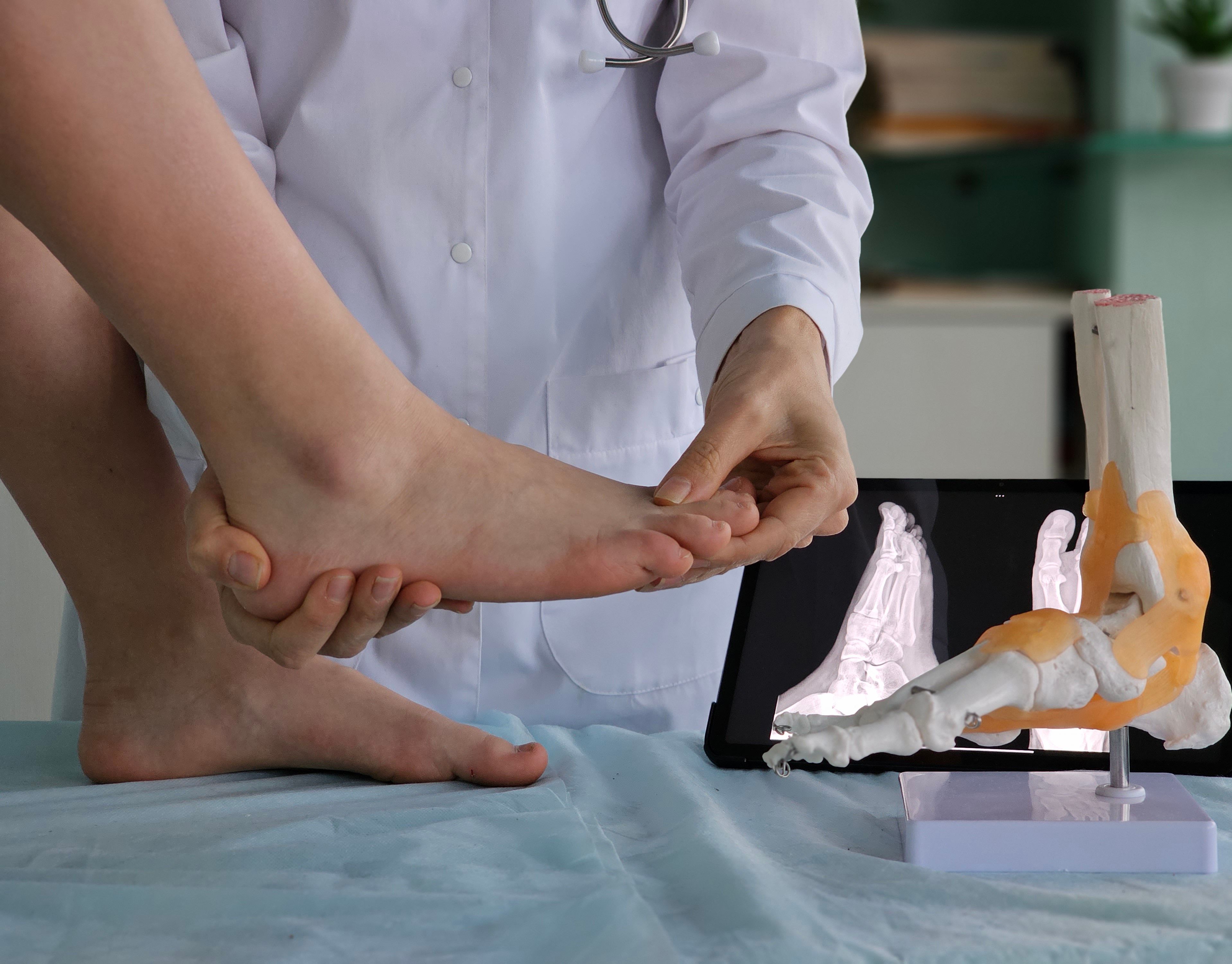
A podiatrist will conduct a thorough examination and may recommend imaging tests to accurately diagnose the issue. Treatment options can range from medication and physical therapy to orthotics or even surgery, depending on the severity.
- Orthotics: Custom-made shoe inserts can provide support, align the foot, and relieve pressure.
- Physical Therapy: Exercises and stretches to improve mobility and reduce pain.
- Surgical Options: In severe cases, surgery may be necessary to correct deformities or remove problematic growths.
Preventive Measures
Preventing foot problems is just as important as treating them. A podiatrist can offer advice on proper footwear, foot hygiene, and exercises to keep your feet healthy. Regular check-ups can also catch potential issues before they become serious.
By understanding common foot problems and seeking help from a podiatrist, you can ensure your feet remain healthy and pain-free, allowing you to stay active and enjoy life to the fullest.