Case Study: Successful Ankle Surgery and Recovery Stories


Ankle injuries are common, affecting athletes and everyday individuals alike. When conservative treatments fail, surgery often becomes the best option. In this post, we'll explore some inspiring case studies of successful ankle surgeries and the recovery journeys that followed.
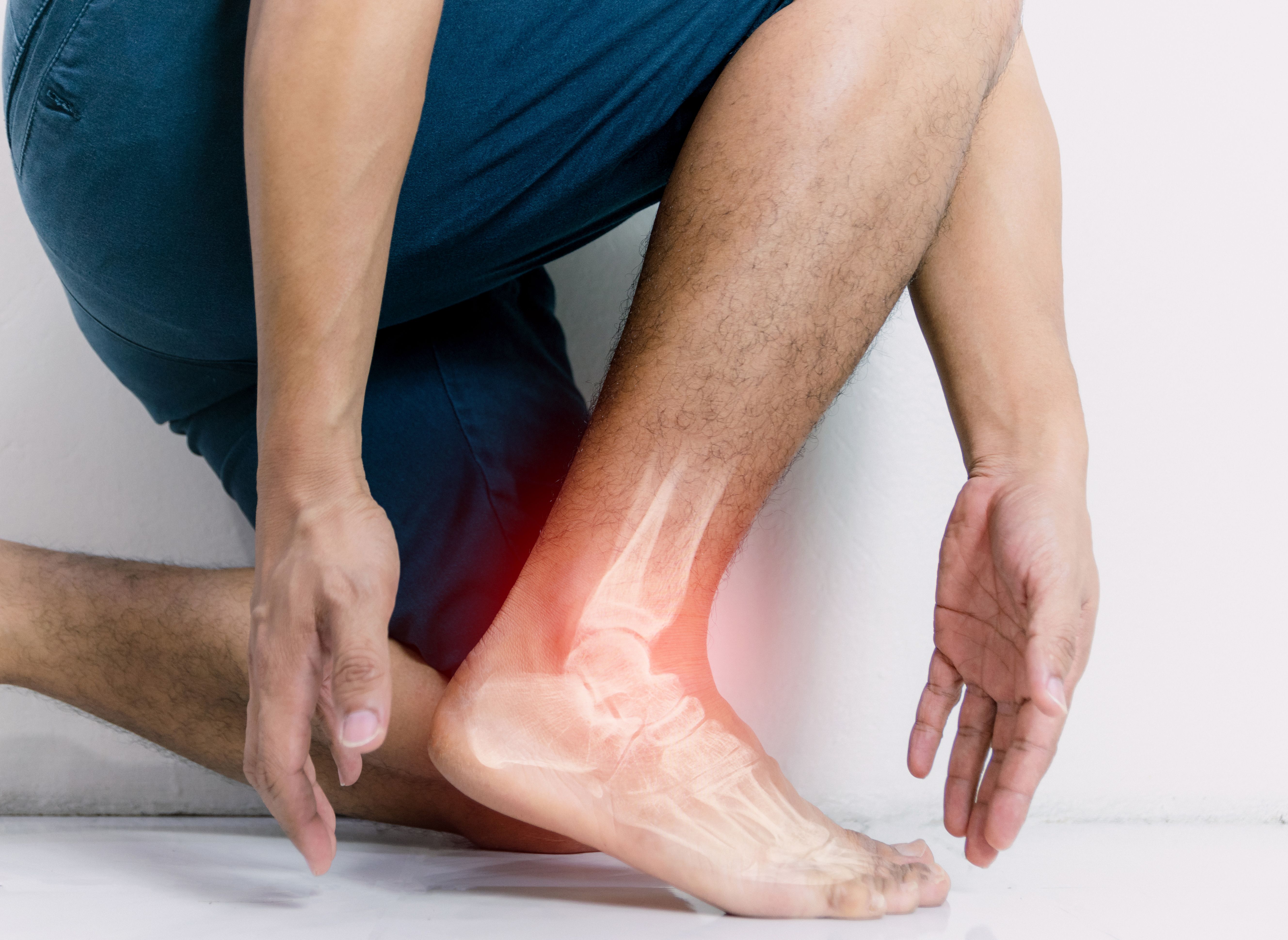
Understanding the Need for Ankle Surgery
Ankle injuries can range from sprains to fractures. While many minor injuries heal with rest and physiotherapy, severe cases may require surgical intervention. Identifying the right candidates for surgery is crucial for a successful outcome. Patients with chronic pain, instability, or improper healing often benefit from surgical solutions.
Common Types of Ankle Surgeries
Several surgical techniques are used depending on the specific injury:
- Arthroscopy: Minimally invasive surgery to remove debris or repair tissues.
- Open reduction and internal fixation (ORIF): Used for severe fractures.
- Ligament reconstruction: Addresses chronic instability.
Each surgical approach is tailored to the patient's unique needs, ensuring personalized care.

Inspiring Recovery Stories
Consider the story of Sarah, a professional dancer who suffered a severe ankle fracture. After undergoing ORIF, she embarked on a rigorous rehabilitation program. Her journey to recovery wasn't easy, but her dedication paid off, allowing her to return to the stage within a year.
The Role of Rehabilitation
Rehabilitation is a critical component of recovery. It helps restore strength, flexibility, and mobility. A typical rehabilitation program includes:
- Physical therapy sessions to improve range of motion.
- Strength training exercises to support the ankle.
- Balance and coordination activities to prevent future injuries.
Personalized rehabilitation plans ensure that each patient progresses at a suitable pace.

Lessons Learned from Successful Recoveries
Successful recovery from ankle surgery is a collaborative effort between the patient, surgeons, and physical therapists. Key factors contributing to positive outcomes include:
- Consistent follow-up: Regular check-ins with healthcare providers to monitor progress.
- Patient commitment: Adherence to rehabilitation protocols and lifestyle adjustments.
- Support system: Emotional and practical support from family and friends.
These elements work together to facilitate a smooth and effective recovery process.
Conclusion
Ankle surgery can dramatically improve quality of life for those suffering from severe injuries. Through personalized treatment plans and dedicated rehabilitation, many patients achieve full recovery. These inspiring stories remind us of the resilience and determination needed to overcome physical challenges and reclaim an active lifestyle.